

A broken tooth can come on suddenly: a sharp bite, a knock to the face, or a tooth weakened by decay that finally gives way. When a tooth is too damaged to repair with a crown or other restoration, the dentist may recommend tooth extraction as the most appropriate course of action.
At Maroondah Dental Care in Croydon, Dr Mabinse and Dr Edwin take a gentle, patient-focused approach to dental extractions and oral surgery, making sure you understand what is happening at every step. The team has experience across a wide range of extraction cases, from straightforward removals to more complex surgical procedures.
Quick Overview
A broken tooth extraction procedure involves removing a damaged tooth that cannot be saved with other treatments. Depending on how the tooth has broken, your dentist may perform a simple extraction or a more involved surgical extraction. Both are carried out under local anaesthesia. Recovery typically takes a few days for initial healing, with full bone healing taking longer. Individual outcomes vary based on the extent of damage, general health, and how well aftercare is followed.
When Is a Broken Tooth Extraction Necessary?
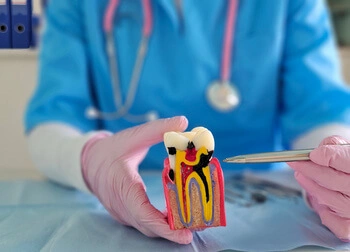 A broken tooth does not always need to come out. Your dentist will assess the damage carefully before recommending extraction.
Tooth extraction is typically considered when the break extends below the gum line, when the tooth root is infected or severely decayed, when a root canal is not a viable option, or when there is significant bone loss around the affected tooth. Dental trauma, advanced gum disease, and heavily restored teeth that have fractured are among the most common reasons a tooth cannot be saved.
If there is any possibility of preserving the natural tooth, your dentist will discuss that option with you first.
Simple Extraction vs Surgical Extraction: What Is the Difference?
The type of broken tooth extraction procedure used depends on how accessible the tooth is and how it has fractured.
A simple extraction is used when the broken tooth is still visible above the gum line and can be loosened and removed with extraction forceps. The dentist applies local anaesthetic to numb the area, then gently loosens the tooth from the surrounding bone and gum tissue before removing it.
A surgical extraction is needed when the tooth has broken at or below the gum line, when roots are curved or fused to the bone, or when the tooth is impacted (as is often the case with wisdom teeth). The dentist makes a small incision in the gum tissue to access the tooth, and in some cases, removes a small amount of surrounding bone to allow the tooth to be taken out. The site is then cleaned and, where needed, closed with a stitch.
Both procedures are performed under local anaesthesia.
What Happens During the Broken Tooth Extraction Procedure?
Here is what to expect on the day:
- Your dentist will take X-rays to assess the tooth’s root structure and the surrounding bone before proceeding
- Local anaesthetic is administered to the area around the affected tooth
- Once the tooth is removed, the tooth socket is cleaned and checked for any sharp bone edges or fragments
- A gauze pad is placed over the extraction site, and you will be asked to apply gentle pressure to help control bleeding
- Post-operative care instructions are provided before you leave
The procedure itself is usually completed within 30 to 60 minutes, though complex cases involving multiple roots or significant bone involvement may take longer. Healthline notes that during extraction, you may feel movement and pressure, but should not experience intense discomfort. If you do, your dentist can administer more local anaesthetic.
What Is Recovery Like After Tooth Extraction?
Recovery after a broken tooth extraction procedure is generally straightforward, though individual experience varies.
In the first 24 to 48 hours, it is normal to experience some swelling, bleeding from the extraction site, and discomfort. An ice pack applied to the outside of the face can help reduce swelling in the early stages. Your dentist may prescribe pain relief or antibiotics, depending on the complexity of the procedure and the risk of infection. Healthdirect Australia notes that after extraction, your dentist may also suggest over-the-counter pain relief from the pharmacy.
 Key aftercare steps include:
- Eating soft foods for the first few days and avoiding hard, crunchy, or very hot items
- Avoiding rinsing vigorously for the first 24 hours to allow the blood clot to form in the tooth socket
- After 24 hours, gently rinsing with warm salt water to keep the surgical site clean
- Avoiding smoking and alcohol during the healing process, as both can interfere with healing and increase the risk of complications
- Not using a straw, as the suction can dislodge the blood clot
The Better Health Channel notes that aftercare following wisdom tooth removal follows similar principles to other surgical extractions, including biting on gauze, avoiding straws, and holding warm salty water in the mouth after meals.
What Is Dry Socket and How Can You Avoid It?
Dry socket (alveolar osteitis) is one of the more common complications following tooth extraction, particularly after surgical removal.
It occurs when the blood clot that forms in the tooth socket is dislodged or fails to develop properly. Without that clot, the underlying bone and nerve are exposed, which can cause significant pain in the days following the extraction. Colgate describes how to prevent dry socket as closely following your dentist’s aftercare instructions, particularly avoiding straws, smoking, and vigorous rinsing in the first 24 hours.
Smoking, drinking through a straw, and vigorous rinsing in the first 24 hours are among the main risk factors. Following your dentist’s aftercare instructions carefully gives the extraction site the best chance to heal without complications. If you notice intense or worsening pain after the first two to three days, contact the practice promptly.
A Considered Approach to Tooth Extraction in Croydon
A broken tooth extraction procedure is something the team at our local dental clinic in Croydon approaches with care and thoroughness. Before recommending extraction, Dr Mabinse and Dr Edwin assess all available options, explain what the procedure involves, and ensure you feel informed and comfortable before anything proceeds.
If you are experiencing severe pain, swelling, or a dental injury, the practice holds same-day appointments for urgent cases. You are welcome to book an appointment online or call the team on 03 9007 2532.
Note: Any surgical or invasive procedure carries risks. Before proceeding, you should seek a second opinion from an appropriately qualified health practitioner.
Frequently Asked Questions
 How long does a broken tooth extraction take?
Most straightforward extractions are completed within 30 minutes. Surgical extractions involving teeth broken below the gum line, complex root systems, or wisdom teeth can take longer, sometimes up to an hour. Your dentist will give you a clearer estimate after reviewing your X-rays and assessing the extent of the damage.
Is a broken tooth extraction procedure painful?
The area is numbed with local anaesthesia before the procedure begins, which is intended to minimise discomfort during the extraction itself. Some pressure and movement may be felt, though the level of sensation varies between individuals. Post-operative discomfort is normal and is typically managed with prescribed or over-the-counter pain relief.
How long does it take to recover from a tooth extraction?
Initial soft tissue healing generally takes one to two weeks. Full bone healing of the extraction site takes considerably longer, often several months, depending on the size of the socket and the complexity of the procedure. Following aftercare instructions carefully supports a smoother healing process.
What happens to the gap after a broken tooth is removed?
Once the extraction site has healed, your dentist can discuss tooth replacement options with you. Dental implants, bridges, and partial dentures are among the options that may be suitable depending on your oral health, the position of the missing tooth, and your preferences. Leaving a gap unfilled can, over time, lead to bone loss and shifting of surrounding teeth.
When should I call the dentist after a tooth extraction?
Contact the practice if you experience increasing pain after the first two to three days (which may indicate dry socket), signs of infection such as fever, significant swelling or pus, excessive bleeding that does not settle with gauze pressure, or any other symptoms that feel unusual. The team at Maroondah Dental Care is available to advise you.
References
Healthdirect Australia. (2023). ‘Tooth Extraction’. Healthdirect, updated 2023. Canberra, ACT: Australian Government Department of Health. https://www.healthdirect.gov.au/tooth-extraction
Healthline Editorial Team. (2019). ‘Does Tooth Extraction Hurt? Pain Management During and After’. Healthline, 17 December. San Francisco, CA: Healthline Media. https://www.healthline.com/health/does-tooth-extraction-hurt
Better Health Channel. (n.d.). ‘Wisdom Teeth’. Better Health Channel. Melbourne, VIC: Victorian Government Department of Health. https://www.betterhealth.vic.gov.au/health/conditionsandtreatments/wisdom-teeth
Colgate Oral Care Centre. (2024). ‘Dry Socket Prevention: Caring For Yourself After An Extraction’. Colgate, December. New York, NY: Colgate-Palmolive Company. https://www.colgate.com/en-us/oral-health/tooth-removal/dry-socket-prevention-after-extraction