

Deciding to get dental veneers is a significant step. Before committing, many people want to understand one thing clearly: if you change your mind later, can you actually remove them? The answer depends on the type of veneer you have and how your teeth were prepared, and it is more complex than a simple yes or no.
That complexity matters. Most standard porcelain veneers and composite bonding involve the removal of a thin layer of natural tooth enamel to create a proper fit. Because enamel does not grow back, veneers are generally considered a permanent treatment. Understanding this before treatment begins helps patients make decisions that are right for their individual situation.
Quick Overview
- Veneer removal is possible, but whether your teeth can return to their original state depends on the type of veneer and how much enamel was removed during placement
- People with damaged, ill-fitting, or ageing veneers may need removal, as may those whose oral health has changed since treatment
- The removal process differs significantly between porcelain and composite veneers, and almost always leads to a replacement restoration rather than a return to untreated teeth
- How much enamel remains, the current condition of the underlying tooth, and habits such as teeth grinding all affect what options are available
- A dental assessment is the right starting point before any decisions are made
Below, we explain the key differences between veneer types, what removal actually involves, and what alternatives may be worth discussing with your dentist.
Can Veneers Actually Be Removed?
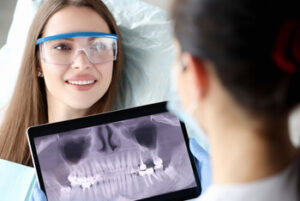 Veneers can be physically removed by a dentist, but whether the underlying teeth can return to their original state is a different question, and usually the more important one.
For most traditional porcelain veneers, reversal is not possible. During placement, approximately 0.5 to 0.7 mm of enamel is reduced from the front surface of the tooth to allow the veneer to sit flush and bond correctly. That enamel cannot regenerate once removed. Once it is gone, the tooth requires some form of coverage or restoration going forward, whether that is new veneers, dental crowns, or another restorative option.
Composite veneers are a different case. Because they are applied in layers directly onto the tooth and typically require little to no enamel removal, they can sometimes be taken off with minimal impact on the underlying tooth structure. Individual outcomes vary depending on how the tooth was prepared and the condition of the enamel at the time of removal.
What Is the Veneer Removal Process?
Veneer removal is a clinical procedure that should only be carried out by a dentist. Attempting to remove veneers at home risks damage to the tooth surface, gum tissue, and surrounding teeth.
For porcelain veneers, a dentist uses rotary instruments to carefully grind away the outer shell. Because enamel has already been reduced, the tooth underneath will be exposed and will need protection: either replacement veneers, a dental crown, or a temporary covering while a new restoration is planned.
For composite veneers, the process is generally less involved. Composite resin bonds less aggressively to tooth enamel, so a dentist can often polish and remove the material without significant damage to the natural tooth underneath. In some cases, where no enamel reduction was performed at all, composite veneer removal can be relatively straightforward.
In both cases, the teeth may feel sensitive during and after the procedure, and a follow-up assessment is standard to confirm the health of the underlying tooth structure.
How Long Do Veneers Typically Last?
Understanding veneer removal often starts with understanding why it becomes necessary, and that usually comes down to lifespan and wear.
Across more than 6,500 porcelain laminate veneers, data shows a 10-year cumulative survival rate of approximately 95.5%, with fracture, debonding, and secondary decay identified as the primary reasons for failure. This means that, with proper care, most well-placed veneers do not need to be removed for a decade or more.
Composite veneers generally require replacement sooner, typically within five to seven years, and are more prone to staining over time compared to porcelain.
These figures reflect supervised clinical conditions. Individual outcomes vary based on oral hygiene habits, bite forces, teeth grinding (bruxism), and the health of the tooth at the time of placement.
What Affects Whether Removal Is an Option?
Several factors determine what is possible when a patient wants their veneers removed or replaced.
- Type of veneer: Composite veneers are more likely to allow a reversible outcome. Porcelain veneers almost always require a replacement restoration once removed.
- Enamel remaining: If significant enamel was reduced during preparation, the tooth is more vulnerable and will need coverage after removal.
- No-prep or minimal-prep veneers: Some veneers are placed with little to no enamel reduction. In these cases, removal may leave the tooth closer to its original state, though some surface preparation is still involved.
- Current oral health: Decay, gum changes, or wear around the veneer margins can affect what options are available and what a dentist recommends.
- Teeth grinding: Bruxism places extra stress on veneers and can cause fractures that make removal more complex.
How to Care for Veneers to Reduce the Risk of Early Removal
Proper care is the most reliable way to extend veneer lifespan. Teeth with veneers need daily brushing and cleaning between teeth to help them last as long as possible.
 Beyond daily hygiene, there are several other steps that can help protect veneers over time:
- Use a soft-bristled toothbrush and a low-abrasive toothpaste
- Attend regular dental check-ups so your dentist can monitor the condition of both the veneers and the underlying teeth
- Avoid biting directly onto hard foods or objects with veneered teeth
- If you grind your teeth at night, speak with your dentist about a custom occlusal splint to reduce the risk of fracture
- Limit foods and drinks known to cause staining around composite veneers, particularly in the first 48 hours after any composite procedure
A Considered Approach to Veneer Removal
Veneer removal is not a routine or simple reversal. For most patients with porcelain veneers, it marks the beginning of a new chapter in their dental treatment rather than a return to where they started. That reality is worth understanding clearly before getting veneers in the first place, and it is equally worth understanding if you are already living with them.
If you have concerns about your current veneers, are experiencing discomfort, or would like to discuss your options, the team at Maroondah Dental Care welcomes you to get in touch. Call us on 03 9007 2532 or book an appointment online.
Frequently Asked Questions
Can you remove porcelain veneers without damaging your teeth?
Porcelain veneers can be physically removed, but because enamel is reduced during placement, the underlying tooth will not return to its original state. Once removed, the tooth will typically need a replacement restoration such as new veneers or a crown to protect the exposed surface. The extent of any impact depends on how much enamel was reduced during the original preparation.
What happens to your teeth after veneers are removed?
After veneer removal, the teeth may be more sensitive to hot or cold foods and may appear slightly different in shape or texture to how they looked before veneers were placed. Where enamel was reduced, the tooth will need some form of ongoing protection. Your dentist will assess the teeth and discuss the appropriate next steps.
Note: Any surgical or invasive procedure carries risks. Before proceeding, you should seek a second opinion from an appropriately qualified health practitioner.
References
Healthdirect Australia. (2025). ‘Veneers’. Healthdirect Australia, 17 June. Canberra, ACT: Australian Government. https://www.healthdirect.gov.au/veneers
Gurel, G., Morimoto, S., Calamita, M.A., Coachman, C., Sesma, N. (2016). ‘Long-Term Survival and Complication Rates of Porcelain Laminate Veneers in Clinical Studies: A Systematic Review’. Journal of Prosthodontics. Bethesda, MD: National Center for Biotechnology Information. https://www.ncbi.nlm.nih.gov/pmc/articles/PMC7961608/
Australian Dental Association. (n.d.). ‘Crowns, Bridges and Veneers’. teeth.org.au. Sydney, NSW: Australian Dental Association. https://teeth.org.au/crowns-bridges-and-veneers