

Many people want dental implants, but discover during their dental implant consultation that they do not have enough healthy bone to support the implant right away. This is extremely common, especially if the tooth was removed years ago or if long-term gum disease or tooth loss has reduced the strength of the bone in that area.
This is when a dental bone graft becomes an important part of the dental implant procedure. But once the bone graft is placed, the big question patients ask is:
“What is the maximum time between a bone graft and dental implant placement before the graft becomes less stable?”
This guide explains that answer in simple terms while giving you a full picture of how bone grafts heal, what affects the timing, why waiting too long can sometimes cause new problems, and how most patients can move confidently through the process with a personalised treatment plan.
Why Bone Grafting Is Sometimes Needed Before a Dental Implant
A dental implant relies on a solid foundation of healthy bone.
If the bone is too thin, too short, or too soft, the implant cannot fuse properly. This increases the chance of implant failure.
This lack of bone usually happens for a few well-known reasons.
Tooth Loss
The moment a tooth is removed, the natural bone around the tooth socket begins to shrink. This slow process is called bone resorption. Without the root in place, the body sees no need to maintain the bone structure. Over time, you can lose a significant amount of dental bone.
Gum Disease
Advanced gum disease damages the surrounding tissues and causes bone loss around the teeth. Even after the infection is treated, the bone may not return on its own.
Trauma or Past Dental Issues
Injuries, past infections, or older dental treatments can reduce bone density or weaken sections of the jaw.
Natural Bone Differences
Some people simply have thinner bone in the upper jaw or lower jaw, especially where the sinuses sit close to the roots. This is why sinus lifts are sometimes needed before placing implants in the upper jaw.
A bone graft helps rebuild strong, healthy bone so the implant can be safely placed later, but this healing process takes time.
Understanding How a Bone Graft Works
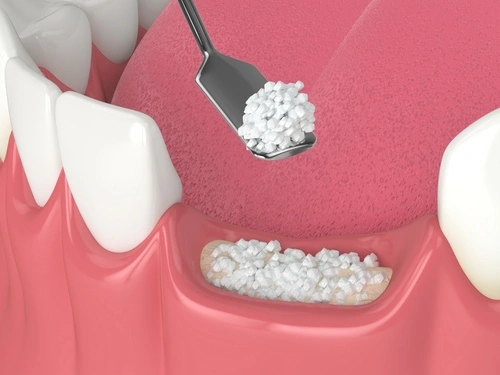 A bone graft procedure places specific bone graft material into the area where bone is missing. This graft provides a support structure for new bone to grow. Over several months, the body gradually replaces the graft material with new bone.
Bone graft material can come from several sources.
- own bone (taken from another part of the mouth or body)
- donor bone (human donor)
- animal bone, also called animal-derived bone
- synthetic bone, also known as synthetic material
Each type supports bone growth in a slightly different way, but all are designed to help the body rebuild a stronger foundation for a future dental implant.
During the healing process, the body increases blood flow to the surgical site. This supports bone healing, soft tissue repair, and healthy wound healing.
To succeed, the graft must transform into natural bone. This requires:
- a healthy blood supply
- good oral hygiene
- time for the body to heal
- stable graft material
- absence of infection
- proper recovery habits, such as following a soft diet during early healing
Because the healing process is gradual, many people wonder how long they have before the implant must be placed.
Typical Healing Time After a Bone Graft
For most patients, bone graft healing takes:
4 to 6 months for smaller grafts
This usually applies to minor grafting after a simple tooth extraction.
6 to 9 months for moderate grafts
This is common when there is significant bone loss and a larger amount of graft material is needed.
9 to 12 or more months for large grafts or severe bone loss
This timeframe is typical for major rebuilding, sinus lifts, or cases with poor bone quality.
This healing time is not random. Your dentist determines the timeframe based on:
- the amount of bone needed
- the location of the graft
- the quality of the existing bone
- your overall oral health
- whether there are medical conditions affecting how fast the body heals
- the type of graft material used
- your age and blood supply
- whether you smoke or have habits that reduce blood flow
Every patient is different, but these guidelines give a good idea of normal healing periods.
So, What Is the Maximum Time Between a Bone Graft and Dental Implant?
Now we reach the central question.
What is the longest you can wait between a bone graft and a dental implant without affecting implant success?
Short Answer
Most patients should have the implant placed within 6 to 12 months after a bone graft.
Long Answer
While the grafted bone can remain stable for longer periods, waiting too long increases the chance of:
- reduced bone density
- slow healing of the graft
- shrinkage of the grafted bone
- bone resorption resuming
- graft failure
- needing to perform bone grafting again
- changes in the bone structure
- reduced blood flow in the area
- soft tissue movement affecting the surgical site
Safe Practical Limit
Although there is no strict expiry date, most dentists agree:
The recommended time between a bone graft and a dental implant is 12 months, with up to 18 months in carefully monitored cases.
After this point, the graft may begin losing strength, especially if:
- The graft was large
- You had significant bone loss
- You have periodontal disease
- Your oral hygiene has become inconsistent
- You smoke
- The lower jaw or upper jaw had naturally reduced bone density
- Synthetic material was used, and healing was slower
- The blood supply to the area was not strong
Your dentist will confirm whether your bone is still strong enough using X-rays or 3D scans before implant placement.
Why Waiting Too Long Can Be a Problem
Many people think that once the bone graft is in place, it will stay strong forever. Unfortunately, this is not always true.
Several factors make delays risky.
Grafted Bone Can Shrink Without Stimulation
Just like natural bone, grafted bone needs pressure from chewing to stay healthy. Since there is no tooth or implant in place, the bone may weaken.
Bone Resorption May Restart
Without an implant stimulating the bone, it may gradually resorb again, especially in the upper jaw, where bone is naturally thinner.
Soft Tissues Can Shift
Gums and soft tissues may move into the area where the implant is to be placed.
Infection Risk Increases Over Time
Even minor gum inflammation can impact graft stability.
Delays Can Reduce Bone Quality
Lower bone density makes implant placement more difficult and increases the risk of implant failure.
Medical or Lifestyle Changes
Smoking, new medical conditions, or medication that reduces blood flow can weaken the bone over time.
The Body Heals in Stages
If a graft does not receive an implant within a suitable timeframe, the body may remodel the bone, reducing its height or width.
In short, you want the implant placed while the grafted bone is strong. Not after it starts breaking down.
What If You Have Already Waited Too Long?
Many patients return months or years later, unsure whether the graft is still healthy.
The good news is that modern imaging lets your dentist check:
- Bone height
- Bone width
- Bone density
- Blood supply
- Stability of the graft
- Whether new bone has formed
- Whether the graft material has integrated
If the grafted bone is still healthy, implant placement can continue.
If the graft has shrunk or weakened, your dentist might recommend:
- A minor top-up bone graft
- Fresh graft material to strengthen the surgical site
- A sinus lift, if the upper jaw has lost height
- Nerve repositioning in rare cases
- A personalised treatment plan to rebuild bone properly
With proper assessment, most patients can still receive implants even after long delays. They may just need extra support.
Factors That Influence the Maximum Safe Gap Between Graft and Implant
Not every bone graft heals the same way. Several factors influence how long the graft stays stable.
Size of the Bone Graft
Larger grafts take longer to heal and may lose volume faster if left without stimulation.
- Minor grafts: implants are usually placed at 4 to 6 months
- Moderate grafts: 6 to 9 months
- Large or reconstruction grafts: ideally under 12 months
Type of Graft Material Used
Different graft materials produce different healing speeds.
- Own bone integrates the fastest
- The donor bone offers strong healing and predictable results
- Animal bone heals well, but can take longer
- Synthetic material heals more slowly and may require more time
Synthetic material or animal bone may require a longer healing process before the implant can be placed safely.
Bone Quality and Density
The existing bone matters.
- Thick, dense bone supports long-term stability
- Thin or soft bone may shrink faster
- Reduced bone density increases time sensitivity
- Healthy bone equals faster implant success
People with lower bone strength, chronic inflammation, or severe bone loss may need closer monitoring.
Location: Upper Jaw vs Lower Jaw
- The upper jaw usually has lower bone density, and the sinus position makes it more sensitive to delays
- The lower jaw is typically denser, but nerve position may complicate timing
Oral Hygiene and Gum Health
Poor oral hygiene increases the risk of infection and reduces graft stability.
Periodontal disease can recur if not monitored, potentially damaging grafted bone.
How the Body Heals Naturally
Every person heals at a different pace.
Some patients form new bone quickly, while others take longer.
Regular check-ups ensure the healing progress is on track.
What the Process Usually Looks Like for Most Patients
Although each treatment plan is personalised, most patients have a similar journey.
The Dental Implant Consultation
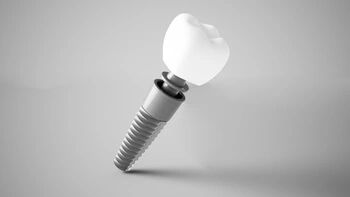 Your dentist examines your:
- medical history
- oral health
- bone density
- bone quality
- gum disease risk
- missing teeth
- sinus position
- suitability for dental implant surgery
From here, they determine if bone grafting is needed.
The Bone Graft Procedure
The dentist places graft material into the tooth socket or the missing tooth space.
You will receive instructions such as:
- Follow a soft diet for a few days
- Maintain good oral hygiene
- Prevent pressure on the surgical site
- Attend follow-up visits
Initial Healing
The first few weeks focus on:
- Wound healing
- Blood supply returning
- Soft tissues closing over the graft
- The body starting to replace graft material with natural bone
Long-Term Bone Growth
Over the next months:
- New bone forms
- Bone graft material integrates
- Bone structure strengthens
- Bone density increases
Your dentist checks your healing progress using scans.
Implant Placement
Once the graft is strong enough, the dental implant is placed.
This step must occur within the recommended window, usually 4 to 12 months, and ideally not much longer than that.
How to Make Sure Your Bone Graft Heals Properly
Following your dentist’s instructions is the appropriate way to support good healing.
Maintain Good Oral Hygiene
This helps prevent infection and protects the graft.
Brush gently around the area and use any prescribed mouthwash.
Follow a Soft Diet at First
Avoid pressure on the graft by choosing soft foods during the early healing stage, including:
- soups
- mashed potatoes
- soft vegetables
- eggs
- yoghurt
support gentle healing.
Avoid Smoking or Vaping
Nicotine reduces blood flow, slows bone healing, and increases the risk of graft failure.
Manage Gum Disease
Periodontal disease can damage both natural and grafted bone.
Attend All Follow-Up Appointments
Your dentist can detect early signs of:
- graft failure
- slow healing
- infection risk
- bone loss
Follow Your Personalised Treatment Plan
Your dentist will give you a personalised treatment plan depending on your needs.
Following this closely improves your long-term implant success.
When a Second Bone Graft May Be Needed
A second graft may be necessary if:
- The first graft shrank
- The bone lost density over time
- An infection affected healing
- A long delay caused bone resorption
- The graft material did not integrate fully
This is not unusual.
The key is catching issues early through regular check-ups.
Is It Ever Possible to Place the Implant Immediately After a Bone Graft?
In some cases, yes, especially after smaller grafts or when the tooth socket is still fresh after tooth extraction.
This is called immediate implant placement, and it works when:
- Bone quality is good
- The surrounding bone is stable
- There is enough existing bone
- The graft is small
However, this is not suitable when severe bone loss is present and major rebuilding is needed.
How to Know When You Are Ready for the Implant
 Your dentist will assess:
- X-rays or 3D scans
- Bone density
- Bone width and height
- Gum health
- Blood flow around the graft
- Healing time
- Any signs of slow healing
Once everything appears stable, implant treatment can proceed safely.
Final Answer: Maximum Time Between Bone Graft and Dental Implant
Let us summarise the essential point.
Typical healing before implant placement
4 to 12 months
Maximum recommended time
12 months for most patients
Up to 18 months in carefully reviewed cases
Risks after this point
- graft shrinkage
- bone resorption
- reduced bone density
- implant failure
- need for a new graft
With proper follow-up and good oral hygiene, most patients achieve good results within the ideal timeframe.
This information helps you understand how timing, healing, and long-term bone stability connect throughout your dental implant planning and preparation process.
Conclusion
A bone graft often plays a crucial role in rebuilding a strong and healthy jawbone before a dental implant can be placed. While the graft provides a solid foundation, it does not last forever without stimulation. This is why timing is so important.
A helpful step is to stay in contact with your dentist, attend your scheduled check-ups, monitor your healing progress, and follow the personalised treatment plan provided to you.
With the right support, most patients enjoy long-lasting implant success, strong bone health, and improved oral function.
If you’re concerned about the timing between a bone graft and a dental implant or want clear guidance about your own healing, you can book a consultation with us at Maroondah Dental Care or call us on 03 9007 2532. Our team will help you understand your options for long-term tooth replacement in Croydon and what the next steps may look like.
Note: Any surgical or invasive procedure carries risks. Before proceeding, you should seek a second opinion from an appropriately qualified health practitioner.
Resources
Cleveland Clinic Staff (2025). ‘Tooth Extraction’. Cleveland, OH, 04 April. Cleveland Clinic.
https://my.clevelandclinic.org/health/treatments/22120-tooth-extraction
Colgate Oral Care Editorial Team (2023). ‘What Is Good Oral Hygiene?’ New York, NY, 09 January. Colgate-Palmolive Company.
https://www.colgate.com/en-us/oral-health/adult-oral-care/what-is-good-oral-hygiene
Kubala, J. (2023). ‘Soft Food Diet: Foods to Eat and Foods to Avoid’. New York, NY, 15 March. Healthline Media.
https://www.healthline.com/nutrition/soft-food-diet
Mayo Clinic Staff (2024). ‘Dental Implant Surgery’. Rochester, MN, 23 October. Mayo Foundation for Medical Education and Research.
https://www.mayoclinic.org/tests-procedures/dental-implant-surgery/about/pac-20384622
Watson, S. (2024). ‘Gingivitis and Periodontal Disease (Gum Disease)’. New York, NY, 09 February. WebMD LLC.
https://www.webmd.com/oral-health/gingivitis-periodontal-disease