

Tooth abscess pain relief is something many people search for when sudden dental discomfort appears. A tooth abscess is a collection of infection that forms near the tooth root or within the tooth. It often causes severe tooth pain, swelling, and pressure in the affected area.
While some home approaches may provide temporary relief, an abscess usually requires professional dental treatment to fully resolve the infection. Understanding what causes an abscess and how to manage the pain can help protect both oral health and overall wellbeing.
This guide explains common symptoms, possible home measures for comfort, and the treatments dentists may recommend.
What Is A Tooth Abscess?
A dental abscess develops when bacteria invade the inside of a tooth or nearby tissue. The infection often develops after tooth decay, gum infection, or damage such as broken teeth.
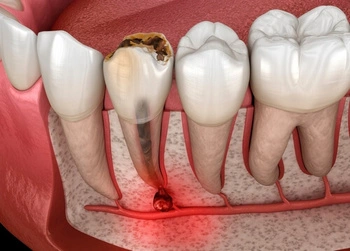 Inside the tooth is a soft tissue called the infected pulp that contains nerves and blood vessels. When bacteria reach this area, infection can develop and spread toward the tooth root.
Over time, pressure builds inside the infected area. This pressure often causes throbbing pain, swelling, and sensitivity to hot or cold food.
If the infection continues, the abscessed tooth may become extremely painful and may require dental treatment to remove the infection.
Common Symptoms Of A Tooth Abscess
A tooth abscess may cause several noticeable symptoms. These signs often worsen as the infection progresses.
Common symptoms include:
- Severe pain in the affected tooth
- Throbbing pain that can radiate toward the jaw or ear
- Sensitivity to hot or cold foods
- Swelling around the gums or face
- A bad taste in the mouth
- Difficulty chewing
In some situations, the pain subsides temporarily. However, this does not mean the infection is gone. In fact, the infection may still be present and could lead to further complications if left untreated.
Causes Of Tooth Abscess
Several dental problems can lead to a tooth abscess.
Tooth Decay
Deep tooth decay allows bacteria to reach the inner part of the tooth. Once the bacteria enter the pulp, infection can begin.
Gum Disease
Advanced gum disease can create pockets around the teeth where bacteria collect. These pockets may eventually develop into an abscess.
Dental Trauma
Damage from accidents or broken teeth can expose the inside of the tooth, allowing bacteria to enter.
Poor Oral Hygiene
Without proper oral hygiene, bacteria and food debris remain in the mouth and increase the risk of infection.
Different Types Of Tooth Abscess
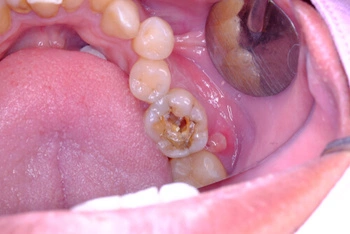 Not all tooth abscesses develop in the same way. Dentists generally classify them based on where the infection forms around the tooth. Understanding the different types can help explain why symptoms vary and how treatment may differ.
One common type is a periapical abscess. This type develops at the tip of the tooth root. It usually begins when bacteria enter the inner part of the tooth through untreated tooth decay, cracks, or trauma. Once the infection reaches the pulp, it can travel down the root canal and collect at the root tip. Pressure then builds in the surrounding tissue, often causing severe tooth pain and sensitivity when biting.
Another type is a periodontal abscess. This infection forms in the gum tissue next to the tooth rather than inside the tooth itself. Periodontal abscesses are often linked to gum disease, where deep gum pockets allow bacteria to accumulate below the gum line. Because the infection develops in the surrounding gum tissue, swelling may appear closer to the gums rather than near the tooth root.
A gingival abscess is less common and occurs in the gum tissue without affecting the deeper tooth structures. This type may develop when food particles, debris, or foreign objects become trapped under the gum. The gum may become swollen, tender, and painful in the affected area.
Although these abscess types develop in different locations, they share similar warning signs such as swelling, pressure, and discomfort. In many cases, dental examination and imaging help determine the exact source of the infection.
Identifying the type of abscess helps guide treatment decisions. By locating where the infection began, a dentist can determine the appropriate approach to remove the infection and protect the surrounding teeth and gums.
Home Measures For Temporary Pain Relief
When severe discomfort occurs, people often look for home remedies to manage the pain. While these approaches may provide temporary relief, they do not eliminate the infection.
Saltwater Rinse
A saltwater rinse is a commonly used home method for easing oral discomfort.
Mix salt water by dissolving half a teaspoon of salt in warm water. Rinsing the mouth may help clean the area and reduce irritation.
Cold Compress
Applying a cold compress to the outside of the cheek may help reduce swelling and numb the painful area.
This method can provide short-term pain relief for tooth pain caused by an abscess.
Clove Oil
Clove oil has natural numbing properties and is often used as a traditional remedy for tooth discomfort. Applying a small amount to the painful area may help ease discomfort for a short time.
Baking Soda Rinse
Some people use a mild rinse made with baking soda and water. This may help reduce bacteria in the mouth.
Hydrogen Peroxide Rinse
A diluted hydrogen peroxide rinse may help clean the infected area and reduce bacteria. However, it should be used carefully and never swallowed.
While these natural remedies may reduce discomfort, they should only be considered short-term measures until professional care is available.
Why Professional Treatment Is Important
Although home measures may help ease discomfort, a tooth abscess usually requires professional care.
Without proper dental treatment, the infection may extend into nearby tissues or other areas of the body. In serious cases, the infection spreads and affects overall health.
Seeking care early helps avoid serious dental problems and supports a faster complete recovery.
Why Abscess Pain Can Suddenly Stop
 People experiencing a tooth abscess sometimes notice that intense pain suddenly decreases or disappears. While this may feel like a positive change, it does not always mean the infection has resolved.
In many cases, pain from a tooth abscess occurs because pressure builds inside the infected tissue. As bacteria multiply, the body produces fluid and inflammatory material that collects in the affected area. This creates pressure around the tooth root and nearby nerves, leading to throbbing discomfort.
Pain may decrease if the pressure is released. One possible reason is that the abscess drains naturally through the gum tissue. When this happens, a small opening may allow fluid to escape, temporarily reducing pressure inside the infected area. The release of pressure can make the pain feel much less intense.
Another possibility is that the infected nerve inside the tooth becomes damaged. As infection progresses, the nerve tissue may lose its ability to transmit pain signals. Although the discomfort may fade, the underlying infection may still be present in the surrounding tissues.
In some situations, people notice a sudden change in taste or a small pimple-like bump on the gum near the affected tooth. This may indicate that drainage has occurred. Even though the pressure is reduced, bacteria may remain in the area.
For this reason, a reduction in pain should not be interpreted as healing. Without proper dental treatment, infection may persist and could spread to nearby tissues. An examination allows the dentist to determine whether the infection remains and what treatment may be needed to resolve it safely.
Dental Treatments For A Tooth Abscess
A dentist will assess the condition of the affected tooth and decide on the appropriate treatment.
Root Canal Treatment
In many situations, root canal treatment removes infected tissue from within the tooth. The dentist cleans the infected pulp and seals the tooth to prevent bacteria from returning.
This root canal procedure allows the natural tooth to be preserved.
Tooth Extraction
If the tooth cannot be saved, tooth extraction may be necessary. Removing the infected tooth helps get rid of the infection and prevent it from spreading.
Drainage Of The Abscess
In severe cases, the dentist may need to drain the infection to relieve pressure and reduce swelling.
These treatment options aim to eliminate the infection and restore comfort.
What To Avoid When You Have A Tooth Abscess
Certain habits may worsen pain or irritation while waiting for treatment.
Try to avoid:
- Very hot or cold foods
- Hard foods that pressure the tooth
- Sugary foods that feed bacteria
- Chewing on the painful side
These steps may help reduce discomfort until professional treatment is received.
Preventing Tooth Abscess
Good daily habits help reduce the risk of abscess formation and other dental problems.
Important steps include:
- Maintaining strong oral hygiene
- Brushing twice daily using fluoride toothpaste
- Limiting sugary snacks
- Attending regular dental check-ups
- Seeking prompt care for dental issues
Consistent dental care helps protect both teeth and gums and supports long-term dental health.
When To See A Dentist
A tooth abscess should never be ignored. If you experience persistent tooth pain, swelling, or signs of infection, it is important to see a dentist.
Early treatment can help stop the infection from getting worse and lower the chance of complications.
A dentist can assess the problem and recommend the appropriate treatment for your situation.
Final Thoughts
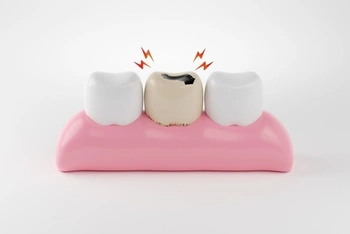 Finding tooth abscess pain relief can help manage discomfort in the short term, but it is important to remember that an abscess is an infection that requires proper care.
Home measures such as saltwater rinse, cold compress, or clove oil may help ease pain temporarily. However, only professional dental treatment can fully remove the infection and restore the health of the tooth.
If you suspect a dental abscess or are experiencing ongoing tooth pain or swelling, it may help to have the area assessed by a dentist. You can book a consultation with our trusted dental practice in Croydon or call 03 9007 2532 to discuss your symptoms and receive appropriate guidance for your situation.
Note: Any surgical or invasive procedure carries risks. Before proceeding, you should seek a second opinion from an appropriately qualified health practitioner.
Resources
“Colgate (2023). ‘What Is Good Oral Hygiene?’. Colgate Oral Care Center, 9 January. New York, NY: Colgate-Palmolive Company. https://www.colgate.com/en-us/oral-health/adult-oral-care/what-is-good-oral-hygiene”
“Healthdirect Australia (2025). ‘Root Canal Treatment’. Healthdirect Australia, February 2025. Canberra, ACT: Healthdirect Australia. https://www.healthdirect.gov.au/root-canal-treatment”
“Cleveland Clinic (2023). ‘Cavities’. Cleveland Clinic Health Library, 27 March. Cleveland, OH: Cleveland Clinic. https://my.clevelandclinic.org/health/diseases/10946-cavities”
“Mayo Clinic Staff (2022). ‘Tooth Abscess’. Mayo Clinic, 29 June. Rochester, MN: Mayo Foundation for Medical Education and Research. https://www.mayoclinic.org/diseases-conditions/tooth-abscess/symptoms-causes/syc-20350901”