

A damaged tooth can feel alarming, especially if it happens suddenly while eating, exercising, or during an unexpected accident. Many people ask: Is a broken tooth an emergency? The short answer is yes. Any fractured, chipped, or cracked tooth deserves prompt attention from a dentist. Even small damage can expose the inner layers of the tooth, raise infection risks, and affect long-term oral health if ignored.
A broken tooth is not always painful, but that does not mean the situation is safe. Even tiny chips can weaken the structure, allow bacteria to enter, or interfere with chewing. That is why dentists consider a broken or cracked tooth as a type of dental emergency, especially if there is pain, bleeding, swelling, or sharp edges irritating the mouth.
Below is a simple guide explaining why fast care matters, what signs to look for, and the common treatment options used to protect the affected area.
Why a Broken Tooth Needs Urgent Care
 A broken tooth can happen in different ways. Biting hard food, sports injuries, accidents, or ongoing tooth grinding. Whether it is a small chipped tooth or a deeper fracture, a dentist will always assess how far the crack extends. If it reaches the inner layers, further complications such as nerve irritation, infection, or the need for root canal treatment may develop.
If the fracture interrupts your ability to chew, exposes dentine, causes bleeding gums, or triggers severe pain, you should seek emergency dental care straight away. Pain is often a sign that the deeper tissues are involved. Even if pain disappears, the tooth can remain vulnerable.
People sometimes assume damage is minor because only a corner broke off. But a chipped or broken tooth can be similar to a crack in glass. It may spread over time. Quick, urgent dental care limits the risk of long-term issues and gives the best chance of preserving the tooth.
Signs You Should Seek Immediate Treatment
Below are common symptoms that suggest the situation needs immediate treatment through an emergency dental appointment or urgent appointment:
- Sudden severe toothache
- Ongoing sensitivity when biting
- Facial swelling around the tooth
- Visible damage to enamel
- Pain linked to temperature changes
- Sharp edges cutting the tongue or cheek
Some injuries are very obvious, such as a knocked-out tooth, but others are easy to miss. Even tiny fractures allow bacteria to travel deeper. Prompt assessment prevents the need for more complex procedures like a full tooth extraction later on.
What to Do When a Tooth Breaks
If you damage a tooth, try to stay calm and take simple steps until you see a dentist.
- Rinse your mouth gently with warm water to keep the site clean.
- Apply a cold compress to minimise swelling.
- If edges are sharp, use sugar-free gum to cover them temporarily.
Avoid chewing on the damaged side and avoid very cold or hot foods, especially if there is sensitivity. If there is bleeding, apply light pressure with gauze.
If pain appears or worsens, an emergency appointment is recommended. Clinics offering same-day appointment support can examine the tooth, reduce discomfort, and prevent further complications.
How Dentists Treat a Broken Tooth
Treatment depends on the location of the fracture, how deep it is, and the strength of the remaining tooth. Common treatment options include:
Dental Bonding
For small chips, dental bonding uses tooth-coloured material to rebuild the shape. It is simple, protective, and helps restore normal chewing without heavy drilling.
Dental Crown
If a larger piece is missing or the structure is weak, a dental crown may cover the entire outer surface. This protects the deeper layers and supports long-term bite strength.
 Root Canal Treatment
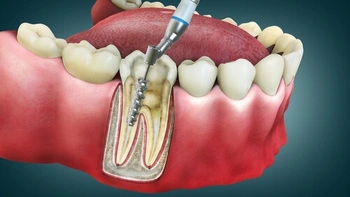 Root Canal Treatment
When a crack extends toward the nerve, bacteria can enter the centre of the tooth. In these cases, root canal treatment removes damaged tissue, relieves pain, and prevents infection.
Emergency Care for Severe Cases
If the tooth is split deeply or cannot be saved, emergency care may include tooth extraction. This is usually considered the last option when stability cannot be restored.
Every situation is different. An experienced dentist will examine the affected area and recommend the safest approach for lasting oral health.
How Broken Teeth Affect Oral Health
A damaged tooth can influence overall dental care more than many expect. Leaving cracks untreated can cause:
- Swelling
- Pain
- Difficulty chewing
- Deeper bacterial infection
- Weakness in nearby teeth
Sometimes what looks like a surface issue can progress quickly. A fracture that reaches the root may require root canal therapy, and if infection spreads, bone and gum tissues may also become involved. Treating damage early reduces the chances of needing more advanced procedures later.
Preventing Further Complications
Early action is the best way to avoid further complications from a cracked or broken tooth. If you notice discomfort, exposed dentine, swelling, bleeding, or changes in your bite, consider it a matter that requires quick assessment and schedule urgent dental care.
Simple steps can help protect the tooth until you reach a clinic:
- Keep the area clean
- Avoid chewing on that side
- Do not test the tooth by biting hard foods
- Avoid very sweet, hot, or icy drinks
- Apply a cold compress if swelling starts
Above all, arrange immediate intervention so the dentist can stabilise the tooth. Even if symptoms seem mild, waiting too long can turn a manageable issue into something far more complex.
Finding the Right Dental Support
 Whether the damage is a small chip or a deep fracture, professional care is the safest way forward. A dentist will check for hidden cracks, assess sensitivity, and recommend repairs that protect the tooth long term. If you are unsure, contact a clinic that offers emergency dental services and request urgent advice.
Many clinics provide urgent care for dental emergencies, including broken, cracked, or chipped teeth. If the issue is found early, repairs are simpler and usually cost less. Addressing injuries quickly also protects nearby teeth and helps minimise the likelihood of future issues, such as infection or gum irritation.
If you ever experience sharp pain, swelling, or discomfort after an injury, it’s a good idea to reach out to a dentist for assessment. They can arrange the right support. From bonding and crowns to stabilising the bite after trauma.
Final Thoughts
So, is a broken tooth an emergency? Yes. Any break or fracture should be assessed quickly. Seeking help protects oral health and avoids damage spreading deeper into the tooth. From bonding and crowns to root canal therapy, early attention gives the best chance to keep your tooth strong and secure.
If something feels off, if pain begins suddenly, or if a crack appears, arrange an emergency dental appointment or request urgent advice. Quick treatment helps you return to comfort sooner, protects natural teeth, and reduces stress on the injured site.
With professional support, the right treatment, and timely care, even a damaged tooth can recover and stay part of your healthy smile for many years.
If you’re worried about a broken tooth or want relief from pain, book a consultation with us at Maroondah Dental Care or call 03 9007 2532 to discuss what treatment options may best protect your tooth and oral health.
Note: Any surgical or invasive procedure carries risks. Before proceeding, you should seek a second opinion from an appropriately qualified health practitioner.
Resources
Cherney, K, and McLean, A. (2025). ‘10 Ways to Keep Your Teeth Healthy’. New York, NY, 13 May. New York, NY: Healthline Media. https://www.healthline.com/health/dental-and-oral-health/best-practices-for-healthy-teeth
Mayo Clinic Staff. (2024). ‘Teeth Grinding (Bruxism)’. Rochester, MN, 27 December. Rochester, MN: Mayo Clinic. https://www.mayoclinic.org/diseases-conditions/bruxism/symptoms-causes/syc-20356095
Healthdirect Australia. (2024). ‘Toothache and Swelling’. Healthdirect Australia, last reviewed April. Canberra, ACT: Australian Government Department of Health. https://www.healthdirect.gov.au/toothache-and-swelling