

A molar does most of the heavy lifting when you chew. It absorbs strong pressure every day, especially when you eat hard or crunchy foods. When half of a molar breaks, it can be worrying and uncomfortable. You may notice sharp edges, pain when chewing, or wonder whether the tooth can still be saved.
This guide explains half-broken molar tooth repair in clear, simple terms. We’ll look at why molars break, what happens inside the tooth, common symptoms, treatment options, and why prompt dental treatment matters for your oral health.
Why Molars Are More Likely to Break
Molars have wide chewing surfaces and sit at the back of the mouth, where biting forces are strongest. Over time, several factors can weaken a tooth and increase the risk of a broken tooth or fractured tooth, including:
- Tooth decay that eats away at the inner structure.
- Old or large dental fillings.
- Teeth grinding, especially during sleep.
- Repeatedly biting hard foods.
- Small tooth cracks that slowly worsen.
Even a cracked tooth that does not hurt at first can weaken the tooth enamel. Eventually, the tooth may fail under normal chewing pressure, sometimes suddenly.
What Does “Half-Broken Molar” Mean?
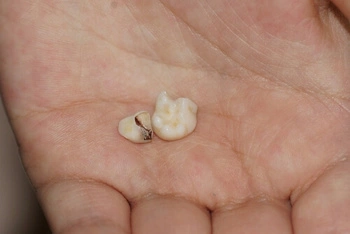 A half-broken tooth usually means a large section of the molar has fractured, but part of the natural tooth is still present. This may involve:
- One side of the molar breaking away.
- A deep crack extending toward the gum line.
- A large piece breaking off due to decay or pressure.
This type of damage is more serious than minor chips, but it does not always mean the tooth must be removed. The appropriate treatment option depends on how much of the tooth remains and whether the pulp is affected.
Common Symptoms You May Notice
Symptoms vary depending on the depth of the break. Some people feel pain straight away, while others notice changes over time. Common signs include:
- Tooth hurts when chewing or biting.
- Sensitivity to hot, cold, or sweet foods.
- A sharp edge from a chipped tooth.
- Pain when eating hard foods.
- Swelling or discomfort around the affected tooth.
If the break interferes with blood flow to the pulp, pain may increase or become constant.
Why Prompt Care Matters
A cracked or broken molar should not be ignored. When a chipped or broken tooth is left untreated, bacteria can enter the tooth, increasing the risk of infection and tooth loss.
Early care from a dentist improves the chance of saving the tooth and reduces the risk of further damage or more complex dental treatments later.
How a Dentist Assesses a Half-Broken Molar
At the dental practice, the dentist will carry out a thorough examination. This often includes:
- Visual inspection of the break.
- X-rays to assess tooth cracks and root health.
- Checking how the tooth fits with the bite.
- Assessing whether the pulp is affected.
Your dentist may also review pre-existing medical issues, as these can influence healing and treatment planning.
Treatment Options for Half-Broken Molar Tooth Repair
There is no single solution for every case. The most suitable approach depends on the severity of the tooth damage and the condition of the remaining tooth.
Dental Bonding for Small Breaks
If the damage is limited and the tooth structure is mostly intact, dental bonding may be used to repair chipped areas. This involves applying a tooth-coloured resin or composite resin to rebuild the missing portion.
The bonding material is shaped and hardened to restore function and appearance. This option works best for small fractures and minor chips, rather than large breaks.
Dental Fillings for Moderate Damage
When decay or fracture affects a larger area, dental fillings may be used to rebuild the tooth. Modern fillings are often made from composite resin, which blends well with the natural tooth.
However, fillings alone may not be strong enough if half the molar is missing, especially when chewing places heavy pressure on the tooth.
 Dental Crown for Structural Support
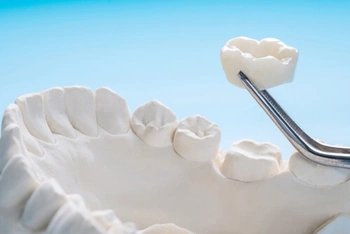 Dental Crown for Structural Support
A dental crown is one of the most common solutions for half-broken molars. A crown covers the remaining tooth, restoring strength and protecting it from further damage.
Crowns may be made from ceramic or metal alloys, depending on where the tooth sits and how much pressure it handles. A crown helps preserve the remaining natural tooth and restore normal chewing.
Root Canal Treatment When the Pulp Is Affected
If a fracture reaches the pulp, root canal treatment may be required. This removes infected or inflamed tissue and seals the tooth to prevent infection from spreading.
After a root canal, the tooth is commonly restored with a crown to protect the weakened structure.
Tooth Extraction When the Tooth Cannot Be Saved
In some cases, damage is too extensive. Severe decay, deep fractures, or compromised roots may mean that tooth extraction is the appropriate option.
When a tooth is removed, replacement helps maintain bite balance and function. Options may include a dental implant or other restorative dental treatments.
What Happens If You Delay Treatment?
Delaying care can lead to serious problems. A cracked or chipped tooth that is not repaired may:
- Develop an infection.
- Worsen existing damage.
- Affect surrounding teeth.
- Increase the likelihood of tooth loss.
- Require more complex dental treatments later.
Prompt dental care usually leads to simpler and more predictable outcomes.
Eating and Daily Care After a Molar Break
Until treatment is completed, protecting the tooth is important. Your dentist may suggest:
- Avoiding hard candy and popcorn kernels.
- Limiting biting hard foods.
- Choosing soft foods.
- Avoiding chewing on the affected side.
Good daily oral hygiene helps reduce bacterial build-up while waiting for repair.
Long-Term Care After Repair
Once treatment is complete, proper care helps extend the life of the repair. This includes:
- Brushing twice daily with fluoride toothpaste.
- Cleaning carefully around restored teeth.
- Attending regular dental visits.
Managing teeth grinding is especially important to protect repaired molars.
How a Half-Broken Molar Can Affect Your Bite
A half-broken molar can affect more than just the damaged tooth. When part of a molar is missing, chewing pressure is no longer spread evenly. This can:
- Place extra strain on the remaining tooth.
- Increase wear on nearby teeth.
- Change chewing patterns.
Over time, this imbalance may contribute to jaw discomfort and increase the risk of damage to surrounding teeth.
Preventing Teeth From Breaking in the Future
While accidents happen, some steps reduce risk:
- Avoid chewing hard foods like hard candy.
- Do not use teeth to open packaging.
- Address grinding early.
- Maintain consistent dental care.
Preventive habits help support long-term oral health.
How Dentists Decide the Best Repair
A dentist may consider several factors before recommending treatment:
- How much healthy tooth remains
- Location of the break
- Whether the tooth can be saved long-term
- Bite forces and chewing habits
In some cases, monitoring may be recommended for small cracks.
When to Seek Dental Care
 When to Seek Dental Care
You should contact a dentist promptly if:
- Half of a tooth breaks off.
- Your tooth hurts when chewing.
- Sensitivity worsens.
- You notice swelling or sharp edges.
Early care helps prevent further damage and protects surrounding teeth.
Final Thoughts
Half-broken molar tooth repair depends on how much of the tooth remains and whether the inner structures are affected. Options range from bonding and fillings to crowns, root canal, or extraction when needed.
If you’re dealing with a half-broken molar and want to understand whether it can be repaired or how to avoid further damage, you can book a consultation with us at Maroondah Dental Care or call 03 9007 2532 to talk through suitable next steps for your tooth.
Note: Any surgical or invasive procedure carries risks. Before proceeding, you should seek a second opinion from an appropriately qualified health practitioner.
Resources
Colgate Editorial Team (2023).
‘What Is Good Oral Hygiene?’. Colgate, 9 January.
New York, NY: Colgate-Palmolive Company.
https://www.colgate.com/en-us/oral-health/adult-oral-care/what-is-good-oral-hygiene
Stang, D. (2018).
‘Root Canal’. Healthline, updated 25 May.
San Francisco, CA: Healthline Media.
https://www.healthline.com/health/root-canal
Mayo Clinic Staff (2023).
‘Cavities and Tooth Decay’. Mayo Clinic, 30 November.
Rochester, MN: Mayo Foundation for Medical Education and Research.
https://www.mayoclinic.org/diseases-conditions/cavities/symptoms-causes/syc-20352892